

What Is Cardiac Electrophysiology?
Heart palpitations that come out of nowhere, a heartbeat that feels too fast or too slow, or an AFib diagnosis you don’t fully understand can all be unsettling. Cardiac electrophysiology in Florida focuses on the heart’s electrical system and the diagnosis and treatment of abnormal heart rhythms, known as arrhythmias.
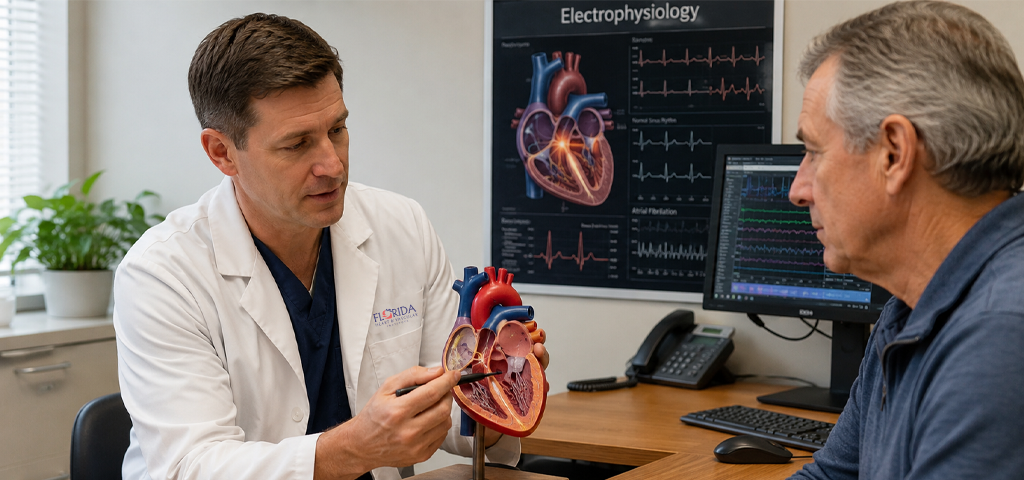
At FHVI, cardiac electrophysiology may include rhythm evaluation, diagnostic monitoring, and treatment planning based on each patient’s symptoms and test results.
Arrhythmia Diagnosis
Using EKGs, Holter monitoring and other appropriate diagnostic tests, FHVI evaluates atrial fibrillation, atrial flutter, SVT, ventricular tachycardia, bradycardia, heart block, PVCs, and other rhythm abnormalities.
Catheter Ablation
For certain arrhythmias, cardiac ablation may help reduce or control the abnormal electrical signals causing the rhythm problem.
Pacemaker & Device Management
For patients whose heart rhythm is too slow or otherwise requires pacing support, pacemaker implantation and ongoing device management may help maintain an appropriate heart rate and support daily activity.
AFib & Stroke Risk Management
For patients with atrial fibrillation, stroke-risk management may include medication, rhythm management, and individualized treatment planning based on factors such as age, medical history, and overall cardiovascular risk.
When You Should See a Cardiac Electrophysiologist
Some rhythm symptoms need urgent evaluation; others are appropriate for a scheduled consultation. Either way, an electrophysiologist can usually offer more precise answers than a general workup alone.
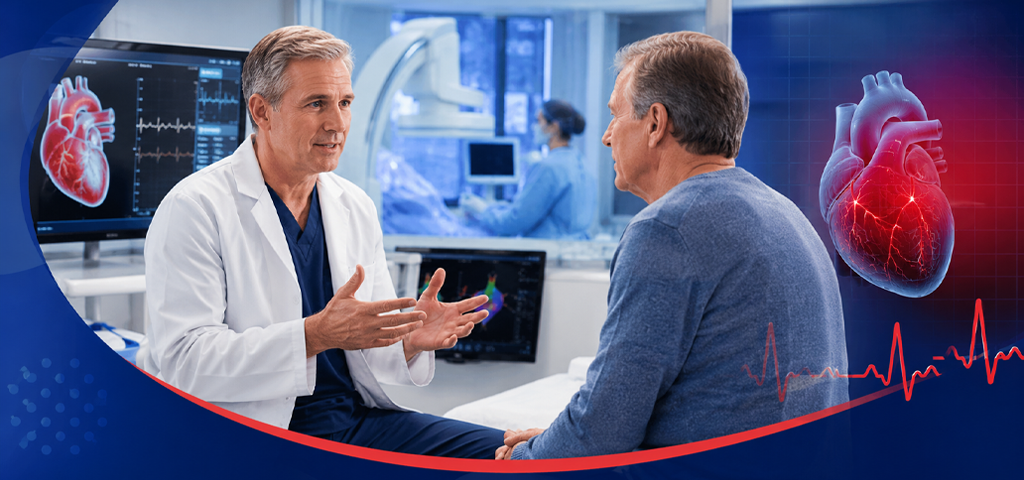
Get evaluated urgently, if you have:
- Heart palpitations with dizziness or fainting
- A new diagnosis of atrial fibrillation or atrial flutter
- Sustained rapid heartbeat that doesn’t resolve on its own
- A prior ICD shock needing evaluation
- Fainting (syncope) without a clear cause
Get evaluated proactively, if you have:
- Occasional palpitations that haven’t been formally diagnosed
- A known slow heart rate (bradycardia) with mild symptoms
- A family history of arrhythmia or sudden cardiac events
- AFib currently managed with medication, to discuss ablation or device options
Emergency Warning
Call 911 for severe or persistent chest pain, severe shortness of breath, loss of consciousness, stroke-like symptoms, or a rapid or irregular heartbeat accompanied by severe symptoms.
Risks and Benefits of Electrophysiology Care
Treatment options range from no-risk diagnostic monitoring to catheter-based procedures and implanted devices, each with a well-established safety profile.
Benefits
- Clearer diagnosis — rhythm testing may help identify the type and pattern of an arrhythmia.
- Targeted treatment — cardiac ablation may help control selected abnormal rhythms.
- Long-term monitoring — implantable loop recorders can help capture intermittent rhythm abnormalities over time.
- Heart rate support — pacemaker therapy can help selected patients with slow heart rhythms.
- Personalized care planning — treatment is based on symptoms, diagnostic findings, overall health, and individual needs.
Risks
- EKG, Holter monitor, event monitor: noninvasive testing with little to no procedural risk.
- Cardiac ablation: bleeding or bruising at the access site; less commonly, vascular injury or other procedure-related complications.
- Pacemaker implantation: infection, bleeding, or lead-related complications may occur.
- Implantable loop recorder: minor bleeding, bruising, or infection at the insertion site; device-related issues are uncommon.
- All invasive procedures: rare but serious complications can occur and are reviewed individually before treatment.
Palpitations, AFib, or an Irregular Heartbeat? Get the Right Evaluation.
FHVI provides heart rhythm evaluation, diagnostic testing, monitoring, and treatment options based on your symptoms and individual cardiovascular needs.
Cardiac Electrophysiology Services, Testing & Monitoring
Cardiac Ablation
Implantable Loop Recorder
Pacemaker Implantation & Management
Holter Monitoring
Cardiovascular Diagnostic Testing
Cardiac Imaging
How We Evaluate Heart Rhythm Problems
Your electrophysiology evaluation may include one or more tests to better understand your heart rhythm, symptoms, and overall cardiovascular health. The specific tests recommended will depend on your medical history and the rhythm problem being investigated.
- Electrocardiogram (EKG/ECG) — records electrical activity in about 10 minutes
- Holter monitor — continuous rhythm recording over 24- 48 hours
- Event monitor — rhythm recording over 2-4 weeks for less frequent symptoms
- Electrophysiological mapping — detailed 3D mapping during an EP study
- Tilt table test — evaluates unexplained fainting related to blood pressure and heart rate regulation
- Transesophageal echocardiogram (TEE) — detailed heart imaging, often used before cardioversion or left atrial appendage closure
Cardiac Electrophysiology Specialist at FHVI

Dr. Asad Qamar, MD
Interventional Cardiologist
- Board Certified
- 30+ Years of Experience
- Founder & CEO

Claudio F. Manubens, MD
Interventional Cardiologist
- Board Certified
- 25+ Years Experience
- Former Chief of Cardiology

David Edmund Ruggieri, MD
Cardiologist
- Board Certified
- 30+ Years Experience
- Interventional Cardiology

Jihad A. Mustapha, MD
Interventional Cardiologist
- Board Certified
- 20+ Years Experience
- Vascular & Limb Salvage Expert

Syed Imran Ali, MD
Interventional Cardiologist
- Board Certified
- 20+ Years of Experience
- Peripheral Vascular Specialist
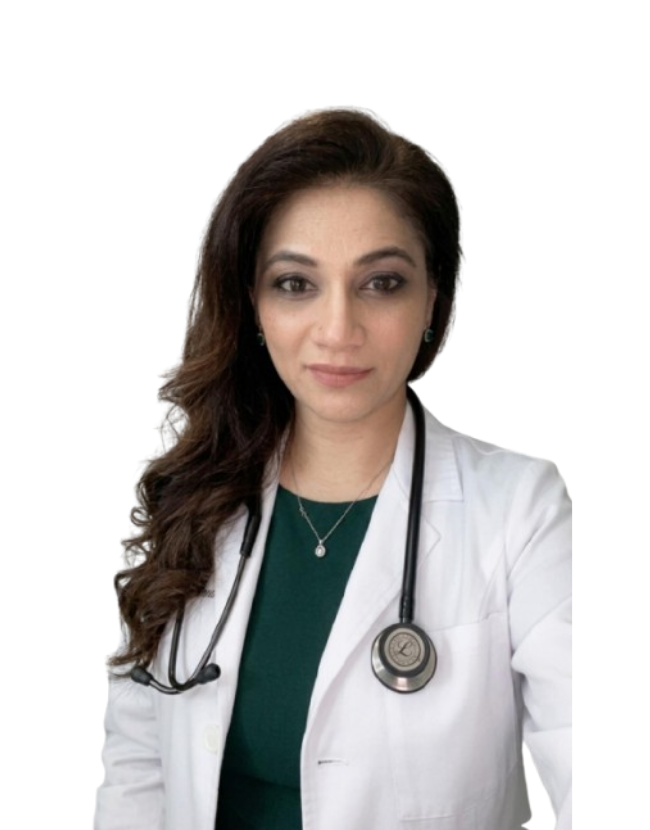
Jeveria Ali, DNP
Adult-Gerontology Acute Care NP
- Board-Certified AGACNP
- 20+ Years Experience
- Cardiovascular & Acute Care

Tanya M. Johnson, ARNP
Family Nurse Practitioner
- Licensed APRN
- 25+ Years of Experience
- Primary & Preventive Care
Electrophysiologist Near Me — FHVI Locations

Request Your Appointment
Complete the form below with your preferred cardiologist, location, and reason for visit. An FHVI team member will contact you to confirm availability and next steps.
Trusted Cardiovascular Care Since 1997
Serving Patients Since 1997
Decades of cardiovascular care experience have shaped a patient-first approach focused on quality, continuity, and trust.
Physician-Led Cardiovascular Care
Our physicians stay closely involved in evaluation, treatment planning, and follow-up.
Advanced Diagnostic Technology
Modern cardiac and vascular testing supports accurate evaluation and informed care decisions.
Personalized Treatment Plans
Care recommendations are based on each patient’s symptoms, medical history, diagnostic findings, and individual needs.
Minimally Invasive Care Options
When appropriate, FHVI offers catheter-based and other minimally invasive treatment options for selected cardiovascular conditions.
Coordinated Care Across Florida
Multiple FHVI locations help patients access cardiovascular evaluation, testing, treatment, and follow-up closer to home.
Frequently Asked Questions
Cardiac electrophysiology is the subspecialty of cardiology focused on the heart’s electrical system and the arrhythmias that occur when it misfires. An electrophysiologist has additional fellowship training beyond general cardiology specifically in diagnosing and treating rhythm disorders.
An electrophysiologist treats atrial fibrillation, atrial flutter, SVT, ventricular tachycardia, bradycardia, heart block, PVCs, and other heart rhythm disorders, using both diagnostic testing and procedures like ablation and device implantation.
An electrophysiology study is a diagnostic procedure that maps your heart’s electrical activity using thin catheters, identifying the exact type and source of an arrhythmia — often more precisely than a standard EKG or monitor.
Cardiac ablation uses catheter-based techniques to target areas of heart tissue responsible for selected abnormal rhythms. For some patients, it may reduce arrhythmia episodes and improve rhythm control.
See an electrophysiologist if you have palpitations, an irregular heartbeat, unexplained fainting, a new AFib diagnosis, or an abnormal EKG that needs further evaluation.
AFib treatment ranges from medication to control heart rate and rhythm, to catheter ablation for a more durable solution, to left atrial appendage closure for patients who need stroke protection without long-term blood thinners.
A pacemaker is typically recommended when your heart rate is too slow to meet your body’s needs, causing symptoms like fatigue, dizziness, or fainting. Your electrophysiologist determines this through EKG and monitoring results.
A pacemaker speeds up a heart that beats too slowly. An ICD continuously monitors for and delivers a shock to stop a dangerous fast rhythm. Some devices combine both functions.
Sedation or anesthesia is commonly used during cardiac ablation. The type of anesthesia, recovery experience, and level of discomfort can vary by procedure and patient. Your care team will explain what to expect before treatment.
Procedure time varies depending on the type of arrhythmia, complexity of the case, and treatment approach. Your electrophysiology team will discuss the expected procedure and recovery plan with you beforehand.
FHVI provides cardiac electrophysiology care at select Florida locations. Provider, diagnostic testing and procedure availability may vary by location. Contact our scheduling team to confirm the appropriate location for your specific heart rhythm needs.
FHVI accepts referrals from primary care physicians and cardiologists, and also sees patients directly for an initial rhythm consultation.
FHVI accepts Medicare, Medicaid, and many major insurance plans. Coverage and authorization requirements vary by plan and procedure, so we recommend confirming benefits before treatment.
A procedure that closes off the area of the heart where most AFib-related blood clots form, offering an alternative to lifelong blood thinners for eligible patients at risk of stroke.