
What Is Cardiovascular Surgery?

Cardiovascular surgery includes surgical procedures used to treat certain heart, valve, aortic, and blood vessel conditions when medication, monitoring, or catheter-based treatment may not be sufficient.

At Florida Heart & Vascular Institute, our cardiovascular specialists help identify patients who may need surgical evaluation, complete appropriate diagnostic testing, review treatment options, and coordinate care with qualified cardiovascular surgical teams when surgery is recommended.

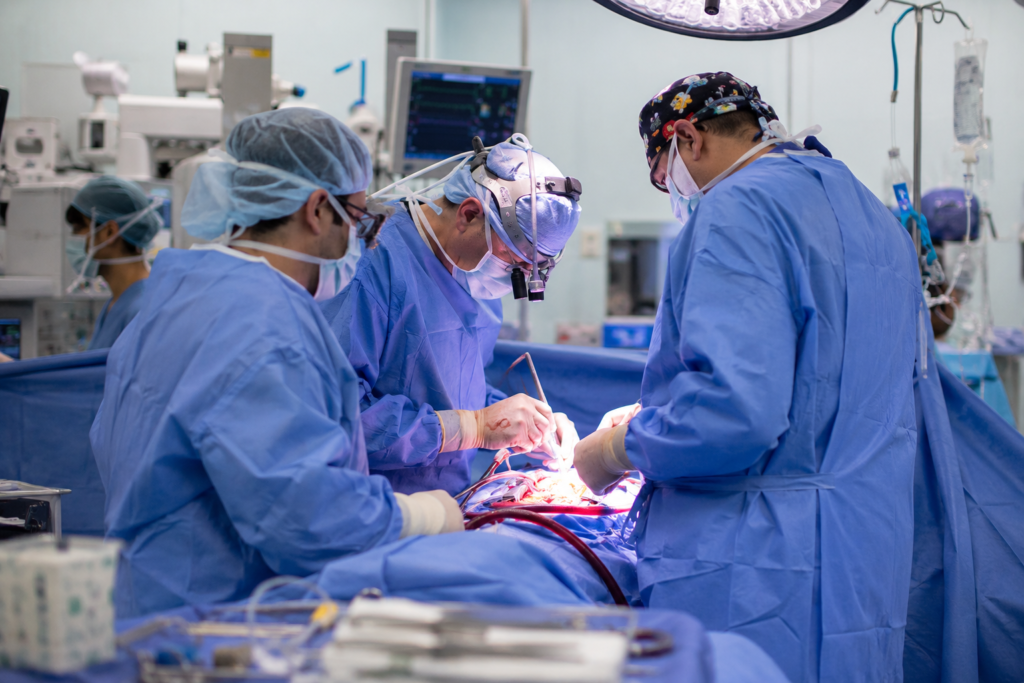
Cardiovascular surgical evaluation and coordinated heart care

FHVI also remains involved in cardiovascular management and follow-up before and after surgery to help provide continuity throughout the patient’s care journey.

Coronary Artery Disease

Severe or complex coronary artery disease may sometimes require surgical treatment when catheter-based intervention is not the most appropriate option. Diagnostic testing and coronary angiography can help determine the extent of disease and guide referral for surgical evaluation when needed.

Heart Valve Disease

Conditions affecting the aortic, mitral, or other heart valves may interfere with normal blood flow through the heart. Depending on the severity of valve disease, symptoms, imaging findings, anatomy, and overall health, treatment may involve monitoring, catheter-based treatment, or surgical repair or replacement.

Aortic Disease

Conditions involving the aorta, including certain aneurysms or other structural abnormalities, may require close cardiovascular monitoring and specialist evaluation. When surgical treatment is indicated, FHVI can help coordinate referral and cardiovascular follow-up.

Complex Structural Heart Conditions

Some structural heart conditions cannot be adequately treated with medication or catheter-based procedures alone. Detailed imaging and cardiovascular evaluation help determine whether a surgical opinion should be considered.

Advanced Vascular Disease

Severe arterial disease may occasionally require vascular surgical evaluation when minimally invasive treatment is not appropriate or has not provided adequate circulation. The appropriate approach depends on the location and severity of disease, anatomy, symptoms, and overall health.

When You May Need a Cardiovascular Surgical Evaluation

A cardiovascular surgical evaluation may be appropriate when diagnostic testing identifies significant heart, valve, aortic, or vascular disease that may require surgical treatment. Your FHVI cardiologist can review your symptoms, test results, anatomy, previous treatments, and overall health to help determine whether referral to a cardiovascular surgical specialist is appropriate.

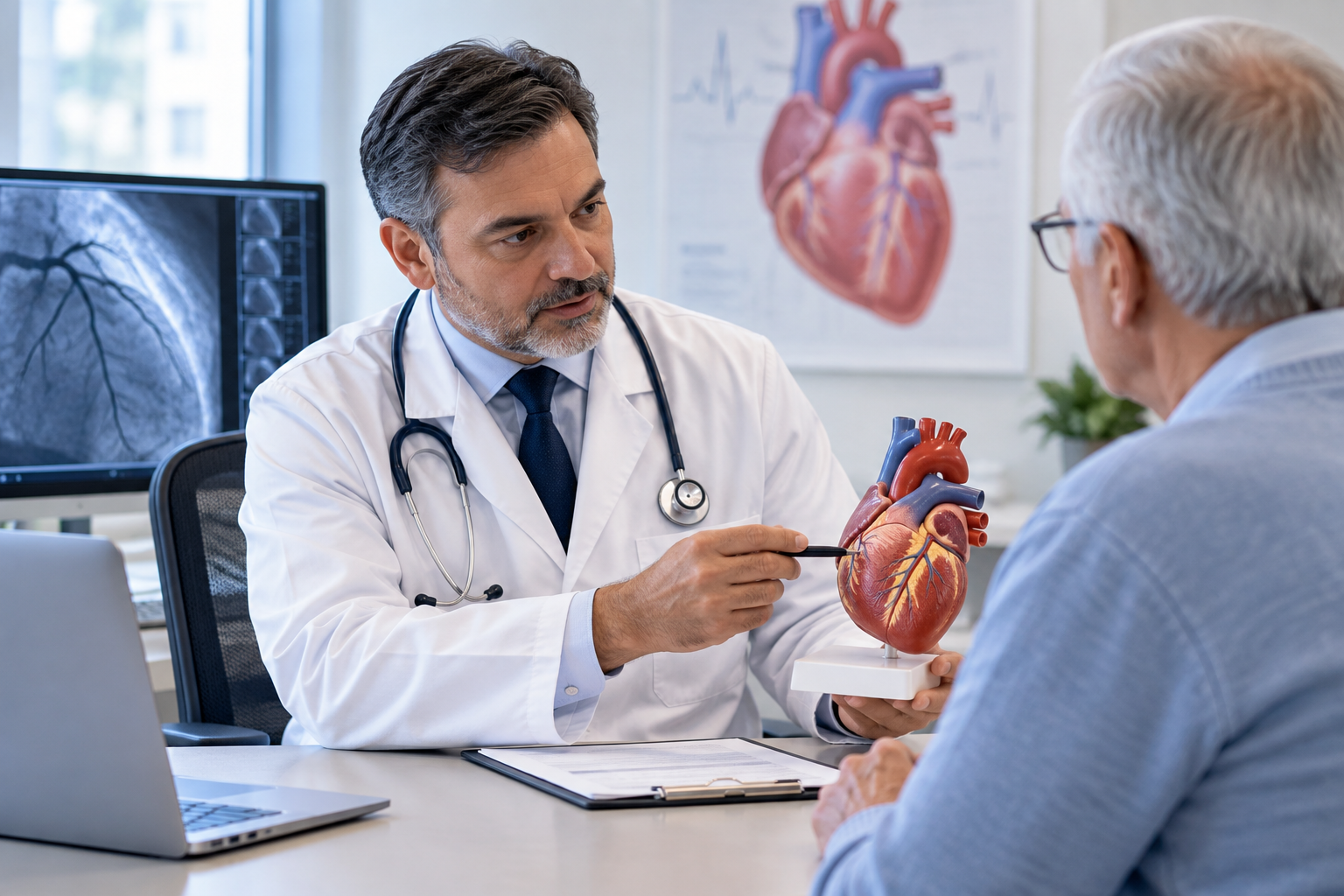
Cardiologist discussing cardiovascular surgical evaluation with a patient

You May Need Further Evaluation If You Have:

  • Severe or progressive coronary artery disease
  • Significant heart valve disease
  • Symptoms that continue despite medical treatment
  • Complex coronary disease not well suited to catheter-based treatment
  • Significant aortic disease
  • Advanced peripheral vascular disease
  • Previous cardiovascular treatment with recurrent or progressive disease
  • Imaging or catheterization findings suggesting surgical treatment may be necessary

Symptoms That Should Prompt Cardiovascular Evaluation

  • Chest pain or pressure
  • New or worsening shortness of breath
  • Significant reduction in exercise tolerance
  • Unexplained fatigue
  • Dizziness or fainting
  • Swelling of the legs or abdomen
  • Symptoms of reduced circulation
  • New or worsening symptoms with known heart or vascular disease

Emergency Warning

Call 911 immediately for severe or persistent chest pain, severe shortness of breath, fainting, sudden weakness or numbness, stroke-like symptoms, or other signs of a medical emergency.

A Comprehensive Evaluation Before Surgical Referral

Before recommending a cardiovascular surgical consultation, FHVI evaluates your symptoms, medical history, cardiovascular anatomy, and previous test results. The goal is to understand the severity of the condition and determine whether medical therapy, catheter-based treatment, surgery, or continued monitoring may be the most appropriate next step.

  • Electrocardiogram (EKG/ECG) — evaluates the heart’s electrical activity and may identify rhythm or conduction abnormalities.
  • Echocardiography — evaluates heart chambers, pumping function, valve structure, and blood flow.
  • Stress testing — may help identify reduced blood flow to the heart and assess how the heart responds to increased workload.
  • Cardiac imaging — provides additional information about heart structure, function, circulation, and selected cardiovascular conditions.
  • Vascular Doppler ultrasound — evaluates circulation through arteries and veins when vascular disease is suspected.
  • Cardiac catheterization and coronary angiography — may provide detailed information about coronary artery narrowing and help guide treatment decisions.
  • Laboratory testing — may help assess kidney function, blood counts, cardiovascular risk factors, and other health considerations relevant to treatment planning.
  • Specialist review — your cardiologist considers the overall findings to determine whether referral for cardiovascular surgery is appropriate.

How Cardiovascular Treatment Decisions Are Made

Choosing the Appropriate Treatment Path

Cardiovascular conditions do not always require surgery. Treatment recommendations depend on the type and severity of disease, symptoms, cardiovascular anatomy, previous treatment, age, other medical conditions, and individual goals of care.

Medical Management

Medication, risk-factor management, lifestyle changes, and cardiovascular monitoring may be appropriate when disease can be safely managed without intervention.

Catheter-Based Treatment

Selected coronary, valve, structural heart, and vascular conditions may be treated through minimally invasive catheter-based procedures when appropriate.

Surgical Evaluation

Surgery may be considered when disease is severe, complex, or not well suited to medical or catheter-based treatment.

Ongoing Follow-Up

Regardless of the treatment pathway, ongoing cardiovascular care remains important for monitoring symptoms, medications, risk factors, and long-term heart health.

Understanding the Benefits and Risks of Cardiovascular Surgery

Cardiovascular surgery can be an important treatment option for selected patients with significant heart or vascular disease. The potential benefits and risks depend on the condition being treated, the specific operation recommended, and the patient’s overall health. Before surgery, the cardiovascular and surgical teams should review the expected benefits, potential risks, alternatives, and recovery considerations with the patient.

Benefits

Risks

Have You Been Told You May Need Heart or Vascular Surgery?

FHVI can help review your cardiovascular condition, diagnostic findings, and previous treatment and coordinate the appropriate next step in your care.

Advanced Cardiovascular Care

Conditions & Surgical Care Pathways

Depending on the diagnosis and severity of disease, some patients may be referred to an appropriate cardiovascular surgical team for further evaluation. FHVI helps coordinate cardiovascular testing, referral, and ongoing care before and after surgery.
Coronary artery bypass surgery evaluation

Coronary Artery Bypass Surgery Evaluation

Coronary Care

Patients with severe or complex coronary artery disease may be referred for evaluation for coronary artery bypass grafting, or CABG, when surgical revascularization may be more appropriate than catheter-based treatment.

Coronary Artery Disease Surgical Evaluation Care Coordination
Heart valve surgery evaluation

Heart Valve Surgery Evaluation

Valve Care

Patients with significant heart valve disease may require evaluation for surgical valve repair or replacement when symptoms, imaging findings, valve severity, anatomy, and overall health indicate that surgery should be considered.

Valve Disease Valve Repair Valve Replacement
Aortic surgery evaluation

Aortic Surgery Evaluation

Aortic Care

Certain significant conditions affecting the aorta may require surgical evaluation. Treatment decisions depend on the location and severity of disease, imaging findings, symptoms, anatomy, and individual clinical risk.

Aortic Disease Advanced Imaging Surgical Referral
Complex coronary artery disease evaluation

Complex Coronary Disease Evaluation

Advanced Coronary Care

Patients with extensive coronary disease, multiple significant blockages, or cardiovascular anatomy that may not be well suited to catheter-based treatment may benefit from multidisciplinary review and surgical evaluation.

Complex CAD Coronary Evaluation Treatment Planning
Advanced vascular surgery evaluation

Advanced Vascular Surgery Evaluation

Vascular Care

Selected patients with severe peripheral arterial disease or other complex vascular conditions may require surgical evaluation when medical management or catheter-based treatment is not appropriate.

Peripheral Artery Disease Vascular Care Surgical Evaluation
Cardiovascular follow-up after surgery

Post-Surgical Cardiovascular Follow-Up

Ongoing Care

After cardiovascular surgery, ongoing cardiology follow-up may include medication management, symptom monitoring, cardiovascular testing, risk-factor management, and coordination with the surgical care team.

Follow-Up Care Cardiology Continuity of Care
Important: FHVI provides cardiovascular evaluation, diagnostic testing, treatment planning, surgical care coordination, and follow-up. When cardiovascular surgery is required, the procedure may be performed by an appropriately qualified surgical team at an affiliated hospital or surgical facility. The specific surgical team and facility depend on the patient’s diagnosis, clinical needs, referral pathway, and insurance coverage.
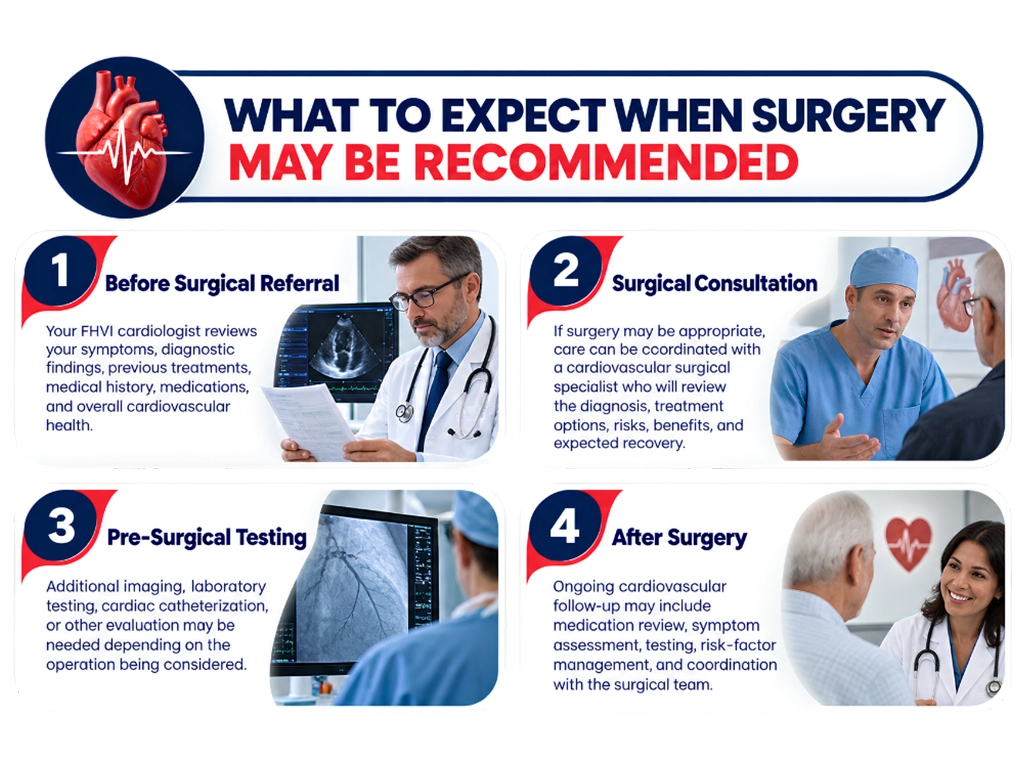
What to expect when cardiovascular surgery may be recommended, from referral to follow-up
Your Cardiovascular Care Team

Coordinated Care Before & After Cardiovascular Surgery

FHVI cardiologists and clinical providers work with patients throughout the cardiovascular care pathway—from diagnosis and treatment planning to surgical referral and post-treatment follow-up. When cardiovascular surgery is required, FHVI helps coordinate care with an appropriate surgical team while continuing to support the patient’s ongoing cardiovascular health.

Aalok Dilipkumar Patel, MD

Interventional Cardiologist

Claudio F. Manubens, MD

Interventional Cardiologist

David Edmund Ruggieri, MD

David Edmund Ruggieri, MD

Cardiologist

Dr. Asad Qamar, MD

Interventional Cardiologist

Mohammad Kaleem, MD

Interventional Cardiologist

Dr. Oji Joseph, MD

Invasive Cardiologist

Aalok Dilipkumar Patel, MD

Interventional Cardiologist

Claudio F. Manubens, MD

Interventional Cardiologist

David Edmund Ruggieri, MD

David Edmund Ruggieri, MD

Cardiologist

Dr. Asad Qamar, MD

Interventional Cardiologist

Mohammad Kaleem, MD

Interventional Cardiologist

Dr. Oji Joseph, MD

Invasive Cardiologist

Cardiovascular Care in Ocala

Find Cardiovascular Surgical Evaluation & Follow-Up Care

FHVI provides cardiovascular evaluation, treatment planning, surgical care coordination, and follow-up at select locations. Surgical procedures, when required, may be performed at an affiliated hospital or surgical facility.

Request Your Appointment

Complete the form below with your preferred cardiologist, location, and reason for visit. An FHVI team member will contact you to confirm availability and next steps.


    0/1000

    By submitting this form, you agree to our Privacy Policy. This form is for non-urgent inquiries only. For medical emergencies, please call 911.

    Why Choose FHVI

    Trusted Cardiovascular Care Since 1997

    Since 1997, Florida Heart & Vascular Institute has provided physician-led cardiovascular care with a focus on clinical expertise, advanced technology, clear communication, and individualized treatment. Our team works to make every step of the patient journey—from evaluation and diagnosis to treatment and follow-up—more coordinated and understandable.

    Serving Patients Since 1997

    Decades of cardiovascular care experience have shaped a patient-first approach focused on quality, continuity, and trust.

    Physician-Led Cardiovascular Care

    Our physicians stay closely involved in evaluation, treatment planning, and follow-up.

    Advanced Diagnostic Technology

    Modern cardiac and vascular testing supports accurate evaluation and informed care decisions.

    Personalized Treatment Plans

    Care recommendations are based on each patient’s symptoms, medical history, diagnostic findings, and individual needs.

    Minimally Invasive Care Options

    When appropriate, FHVI offers catheter-based and other minimally invasive treatment options for selected cardiovascular conditions.

    Coordinated Care Across Florida

    Multiple FHVI locations help patients access cardiovascular evaluation, testing, treatment, and follow-up closer to home.

    Frequently Asked Questions

    FHVI provides cardiovascular evaluation, diagnostic testing, treatment planning, surgical referral coordination, and ongoing cardiology follow-up. When a surgical procedure is required, care may be coordinated with an appropriately qualified surgical team at an affiliated hospital or surgical facility.

    The decision depends on your diagnosis, symptoms, cardiovascular anatomy, test results, previous treatment, and overall health. Your cardiologist may recommend surgical evaluation when surgery appears to be an appropriate treatment option.

    No. Coronary artery disease may be managed with medications, risk-factor modification, catheter-based treatment, bypass surgery, or a combination of approaches depending on the individual case.

    Coronary artery bypass grafting, or CABG, is a surgical procedure that creates new pathways for blood to flow around significantly narrowed or blocked coronary arteries.

    Some valve conditions can be monitored or managed medically, while selected patients may qualify for catheter-based valve treatment. Others may require surgical valve repair or replacement.

    Testing varies but may include EKG, echocardiography, stress testing, cardiac imaging, cardiac catheterization, laboratory tests, and other evaluations based on the planned procedure and patient’s health.

    Cardiology follow-up is often an important part of post-surgical care. FHVI may continue to manage medications, symptoms, cardiovascular risk factors, and appropriate diagnostic follow-up.

    Recovery varies significantly based on the operation, the patient’s health, and whether complications occur. The surgical team will provide individualized recovery instructions.

    Coverage depends on the procedure, hospital, surgeon, insurance plan, referral requirements, and prior authorization. Patients should confirm benefits with their insurance provider and care team.