
What Is a Vascular Specialist?

A vascular specialist diagnoses and treats diseases of the arteries and veins, the blood vessels that carry blood throughout your body outside the heart itself. At FHVI, vascular care spans three broad areas: arterial disease, which reduces blood flow to your limbs; venous disease, which affects how blood returns to your heart; and blood clots, which can form in veins and travel to the lungs.

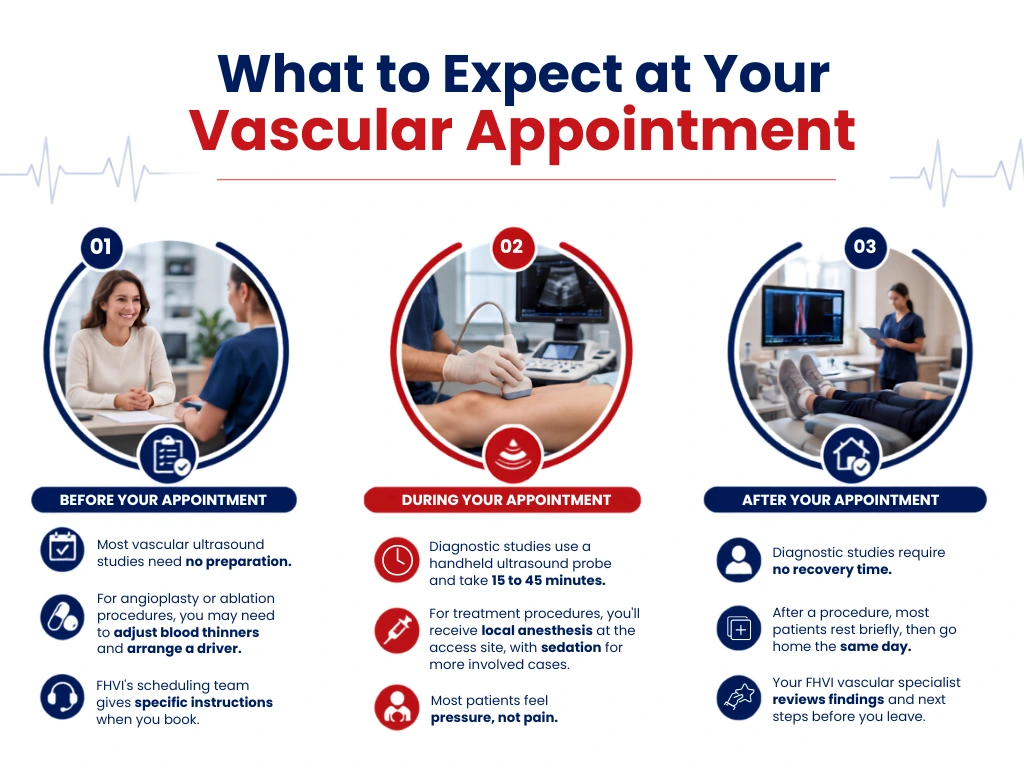
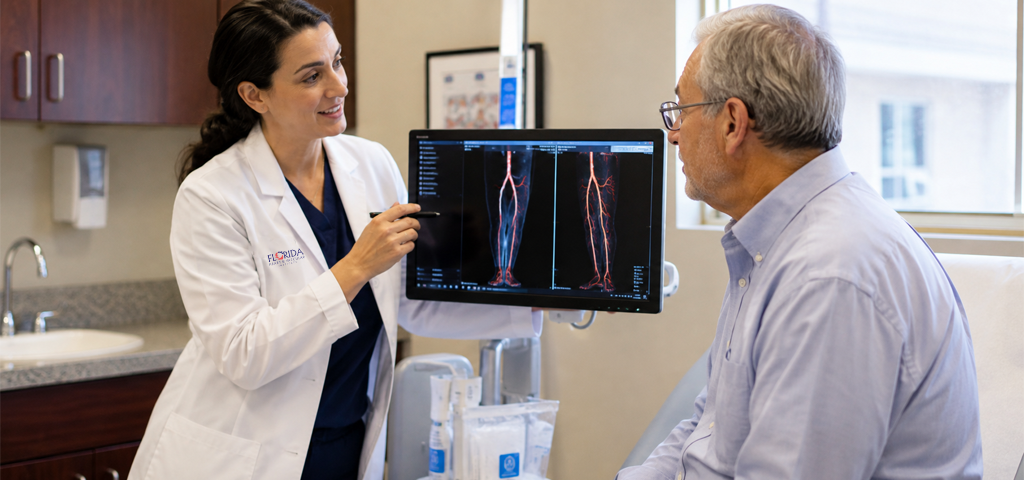
Vascular specialists use non-invasive ultrasound and imaging to find the problem, then treat it with the least invasive option that works, often a catheter-based procedure rather than open surgery. At FHVI’s Ocala offices, diagnostic vascular studies and treatment planning happen under one roof, so patients aren’t bounced between separate imaging centers and treatment facilities.

Arterial Disease

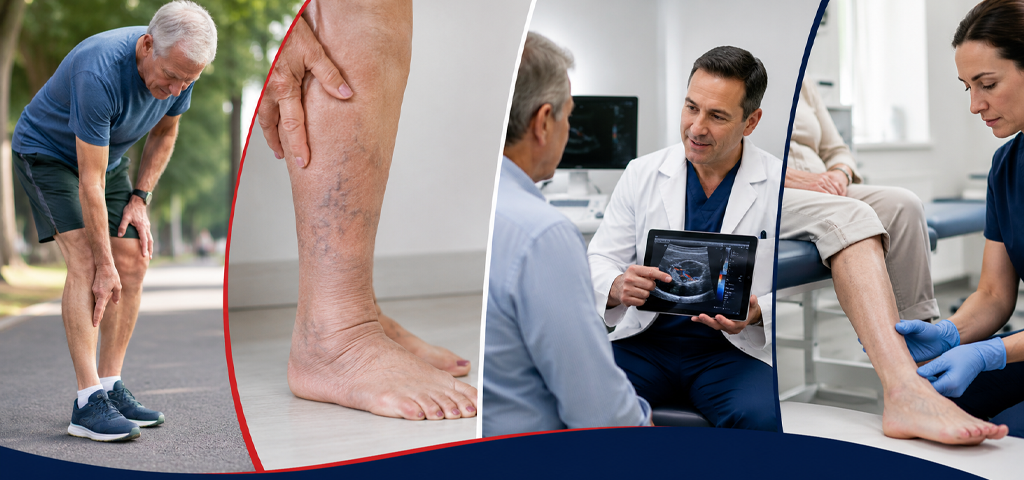
Peripheral artery disease (PAD) narrows the arteries supplying your legs, causing pain when walking (claudication) and, in advanced cases, critical limb ischemia, where blood flow is so reduced that tissue is at risk. PAD is the most common form of peripheral vascular disease (PVD), the broader term for any circulation problem affecting the blood vessels outside your heart and brain. FHVI treats PAD and PVD with lifestyle management, medication, and endovascular procedures like angioplasty and pedal loop intervention. For blockages too extensive or complex for a catheter-based approach, our specialists coordinate vascular surgery as the next step in your treatment plan.

Venous Disease

Varicose veins, spider veins, and chronic venous insufficiency occur when vein valves fail, allowing blood to pool in the legs. This causes aching, swelling, and visible bulging veins. Vein ablation closes the faulty vein, redirecting blood flow through healthy veins nearby.

Blood Clots

Deep vein thrombosis (DVT) is a blood clot in a deep leg vein. Left untreated, part of the clot can break off and travel to the lungs, causing a pulmonary embolism (PE), a medical emergency. FHVI diagnoses DVT with venous ultrasound and treats it with anticoagulation and, in select cases, catheter-based clot removal.

Carotid Artery Disease

Plaque buildup in the carotid arteries, the vessels supplying blood to the brain, raises stroke risk. Carotid duplex ultrasound detects narrowing before it causes symptoms. Depending on severity, treatment ranges from medication and monitoring to carotid stenting.

Abdominal Aortic Aneurysm (AAA)

An AAA is a weakened, enlarged section of the aorta in the abdomen. Most cause no symptoms until they become dangerous, which is why screening matters for at-risk patients, typically men 65 to 75 who have ever smoked. Small aneurysms are monitored; larger ones may need endovascular repair.

When You May Need a Vascular Specialist

Vascular disease often develops quietly. Some symptoms need urgent evaluation; others are worth a proactive screening conversation before they progress.

Get evaluated urgently, if you have:

  • Leg pain, cramping, or heaviness when walking that stops with rest — classic PAD warning sign
  • Sudden swelling, warmth, or pain in one leg — possible DVT
  • A wound on the foot or leg that hasn’t healed in two weeks
  • Cold, pale, or blue-tinged toes or feet
  • Sudden shortness of breath or chest pain — possible pulmonary embolism

Get evaluated proactively, if you have:

  • Visible varicose veins with aching, heaviness, or skin changes
  • A family history of blood clots or vascular disease
  • Diabetes, high blood pressure, or a history of smoking
  • Chronic leg swelling that gets worse throughout the day
  • Prior DVT or PE requiring ongoing monitoring

Emergency Warning

Sudden shortness of breath, chest pain, coughing up blood, or a leg that is suddenly swollen, hot, and painful may signal a pulmonary embolism or severe DVT. Call 911 immediately. Do not drive yourself.

Risks and Benefits of Vascular Treatment

Most vascular diagnostic studies are entirely non-invasive. Treatment options range from no-risk lifestyle changes to catheter-based procedures with a well-established safety profile.

Benefits

Risks

Leg Pain, Swelling, or Varicose Veins? Let's Find the Cause.

FHVI’s vascular specialists diagnose and treat arterial disease, venous disease, and blood clots at our Ocala flagship and 15 Florida locations.

Vascular Procedures at Florida Heart & Vascular Institute

Every procedure below is available at FHVI without a referral to an outside vascular center.

Echocardiogram-Echo

Vascular Ultrasound (ABI, Carotid, Arterial/Venous Duplex)

15–45 min

Non-invasive imaging that measures blood flow in the arteries and veins, diagnosing PAD, carotid stenosis, and venous disease without needles or radiation.

15-45 min
No preparation
No risk

Vein Ablation

45-60 min

Closes a faulty varicose vein using heat (radiofrequency or laser) delivered through a thin catheter, redirecting blood flow through healthy veins nearby.

45-60 min
Local anesthesia
Resume activity same day
Exercise Stress Test (Treadmill)

Peripheral Angioplasty

45-90 min

A balloon opens a narrowed or blocked leg artery, restoring blood flow in patients with PAD. Often combined with stenting for durable results.

45-90 min
Local anesthesia + sedation
Outpatient
Nuclear Stress Test

Pedal Loop Angioplasty

60-120 min

A specialized technique that restores blood flow through the small arteries of the foot, used for critical limb ischemia when standard angioplasty isn't enough to save the limb.

60-120 min
Complex cases
Limb preservation focus
Stress Echocardiogram

Peripheral CTA (CT Angiography)

30-45 min

A contrast-enhanced CT scan that maps the arteries of the legs in detail, planning treatment before an endovascular procedure.

30-45 min
Contrast required
Outpatient imaging
Holter Monitor

DVT / PE Treatment (Anticoagulation and Catheter-Based Options)

Varies

Standard treatment starts with blood-thinning medication. For larger or more dangerous clots, catheter-based clot removal (thrombectomy) may be used to restore flow more quickly.

Same-day start
Anticoagulation 3-6+ months
Hospital coordination for severe cases
Event-Monitor

Carotid Duplex Ultrasound & Stenting

20-45 min (screening) - 45-90 min (stenting)

Carotid duplex ultrasound screens for plaque and narrowing in the neck arteries feeding the brain. If significant stenosis is found, carotid stenting opens the artery through a catheter, reducing stroke risk without open surgery.

No radiation (ultrasound)
Sedation for stenting
Outpatient
Event-Monitor

AAA Screening & Endovascular Repair (EVAR)

10-15 min (screening) - 90-180 min (repair)

A quick ultrasound screens for abdominal aortic aneurysm in at-risk patients. Larger or growing aneurysms are treated with endovascular aneurysm repair (EVAR), placing a graft through the arteries to reinforce the aorta from inside, avoiding open abdominal surgery.

Screening: no prep
EVAR: 1-2 day hospital stay
Faster recovery than open repair

Meet Our Vascular Specialists

Our vascular specialists bring decades of combined experience in diagnosing and treating arterial disease, venous disease, and blood clots — from routine ultrasound screening to advanced limb-preservation procedures. Each physician listed below is board certified and has fellowship-level training in catheter-based vascular intervention.

Vascular Specialist Near Me — FHVI Locations

Florida Heart & Vascular Institute’s flagship location is in Ocala, Florida, with 14 additional locations across North Central, Central, and Southwest Florida, including our Lake Weir Ave office in Ocala, Lake City, Lake Wales, Port St. John, Lehigh Acres, Davenport, Englewood, Punta Gorda, Palatka, and Williston. Patients searching for “vascular specialist Ocala Florida” or “vein specialist near me” can access full vascular care close to home.

Ocala — SW 62nd Court

7535 SW 62nd Court, Ocala, Florida 34476

Ocala — SW 17th Street

1609 SW 17th Street, Suite 100, Ocala, FL 34471

Lake Wales

1136 Bryn Mawr Ave, Lake Wales, Florida 33853

Why Patients Choose Florida Heart & Vascular Institute

From your first appointment to your last follow-up, here’s what makes care at FHVI different.

Founded & Trusted Since 1997

Nearly 30 years serving Florida patients, with physicians who've led cardiovascular research, cath labs, and clinical trials at the national level.

Board-Certified Specialists at Every Step

Every physician on your care team is board-certified in cardiovascular disease — not just supervising, but personally reading your results and directing your treatment.

15 Locations, One Standard of Care

Every FHVI office — from Ocala to Punta Gorda — is held to the same board-certified standard. Your zip code doesn't determine your quality of care.

Outpatient Cath Labs, Hospital-Level Precision

Advanced diagnostic and interventional cardiology performed on-site, without the wait or cost of a hospital admission.

Physicians Who Publish, Teach, and Lead

Our team includes journal editors, clinical trial investigators, and physicians who train the next generation of cardiologists — expertise that shapes your care directly.

Coordinated Care, Not Just a Checkup

Diagnosis, treatment, and follow-up handled by the same team — no fragmented care, no repeating your history to a new provider each visit.

Frequently Asked Questions

A vascular specialist treats diseases of the arteries and veins, including peripheral artery disease, varicose veins, chronic venous insufficiency, deep vein thrombosis, and pulmonary embolism.

Peripheral artery disease (PAD) is a narrowing of the arteries that supply blood to your legs, usually caused by plaque buildup. It can cause leg pain when walking and, in severe cases, threaten the limb.

Common symptoms include leg pain or cramping when walking, cold or pale feet, slow-healing wounds, and numbness or tingling in the legs or feet.

Vein ablation is a minimally invasive procedure that closes a faulty varicose vein using heat delivered through a thin catheter, relieving symptoms like aching and swelling.

Treatment ranges from lifestyle changes and medication for mild PAD to angioplasty, stenting, or pedal loop intervention for more severe blockages affecting blood flow to the leg or foot.

Blood clots can form due to prolonged immobility, surgery, certain medications, genetic clotting disorders, or underlying medical conditions. Risk increases with age, obesity, and a personal or family history of clots.

See a vascular specialist if you have leg pain when walking, visible varicose veins with symptoms, sudden leg swelling, non-healing wounds, or a family history of vascular disease or blood clots.

Chronic venous insufficiency occurs when the valves in your leg veins don’t work properly, allowing blood to pool instead of flowing back to the heart efficiently. This causes swelling, aching, and visible varicose veins over time.

You receive local anesthesia at the treatment site, so most patients feel minimal discomfort. Mild bruising or tightness along the treated vein is common for a few days afterward.

DVT (deep vein thrombosis) is a blood clot in a deep vein, usually in the leg. A pulmonary embolism occurs when part of that clot breaks off and travels to the lungs, which is a medical emergency.

Yes. Vascular ultrasound uses sound waves only, with no radiation, needles, or contrast dye. It’s considered one of the safest diagnostic tests in medicine.

Yes. FHVI accepts Medicare, Medicaid, and most major commercial insurance plans. Call (352) 401-9888 to verify your specific coverage.

FHVI accepts referrals from primary care physicians and also sees patients directly for an initial vascular consultation.

In advanced cases, untreated PAD can progress to critical limb ischemia, where blood flow is so reduced that tissue is at risk. Early diagnosis and treatment, including techniques like pedal loop angioplasty, are aimed at preventing this outcome.

Carotid artery disease is plaque buildup in the neck arteries supplying the brain, raising stroke risk. It’s detected with carotid duplex ultrasound. Mild cases are managed with medication and monitoring; significant blockages may be treated with carotid stenting.

AAA screening is generally recommended for men aged 65 to 75 who have ever smoked, and for anyone with a family history of aneurysms. Most AAAs cause no symptoms, which is why proactive screening matters.